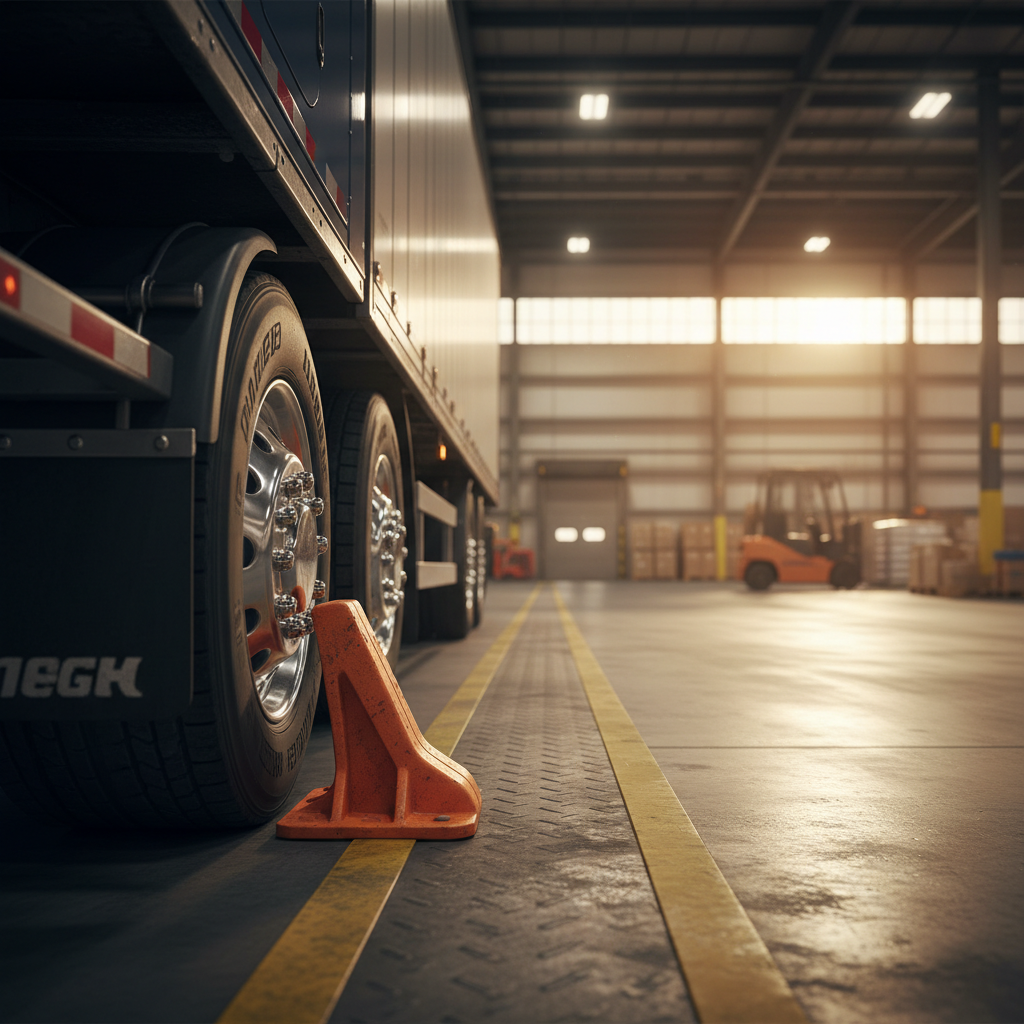
Heavy Duty Trailer Chocks for Safe Parking & Dock Loading
Rubber, urethane, and aluminum wheel chocks engineered for commercial trailers, trucks, and loading dock operations. OSHA-compliant solutions that protect your drivers, cargo, and bottom line.
Types of Trailer Wheel Chocks
Each chocking material serves a specific purpose. Choose the right type based on your vehicle weight, operating environment, and compliance requirements.
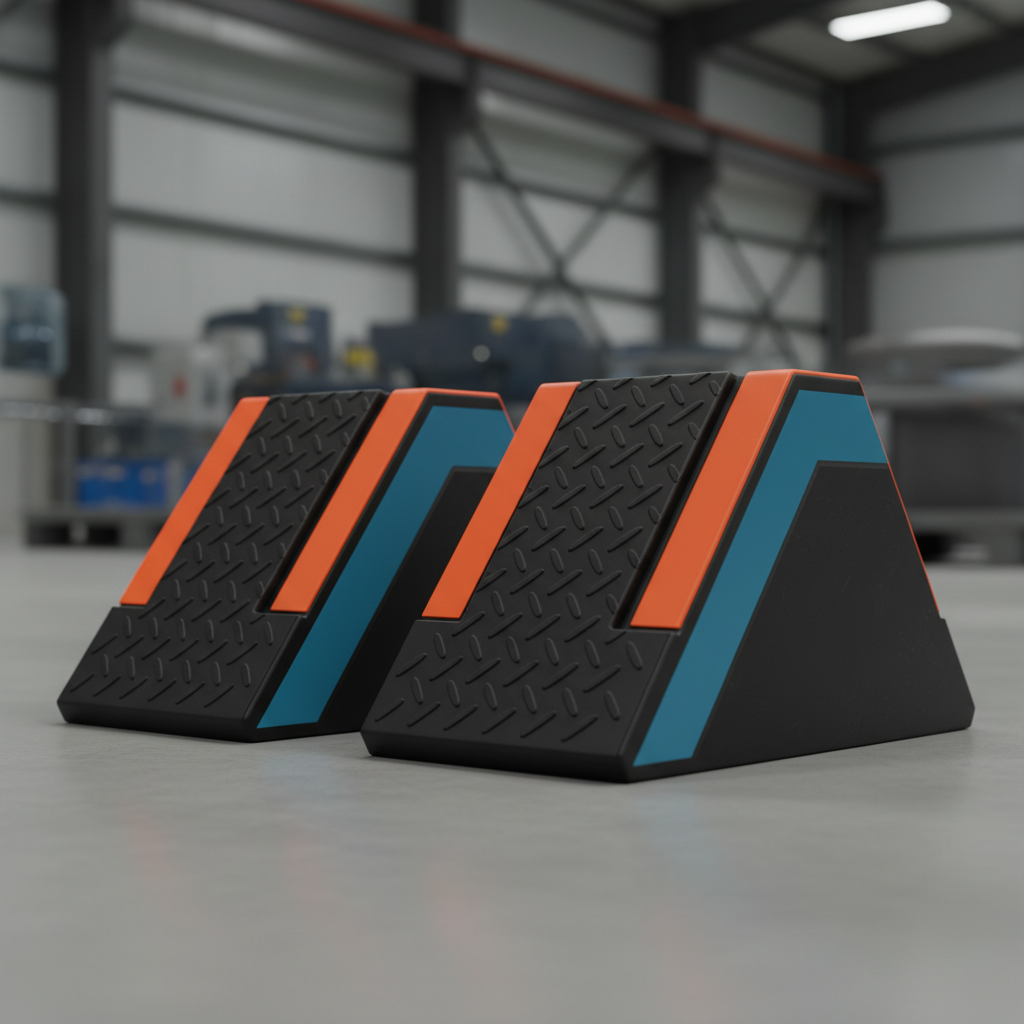
Rubber Wheel Chocks
The industry standard for trailer chocking. Molded from heavy-duty recycled rubber, these chocks offer superior grip on concrete and asphalt surfaces. UV-resistant and weather-proof for year-round outdoor use. Available in sizes from passenger vehicles to Class 8 trucks.
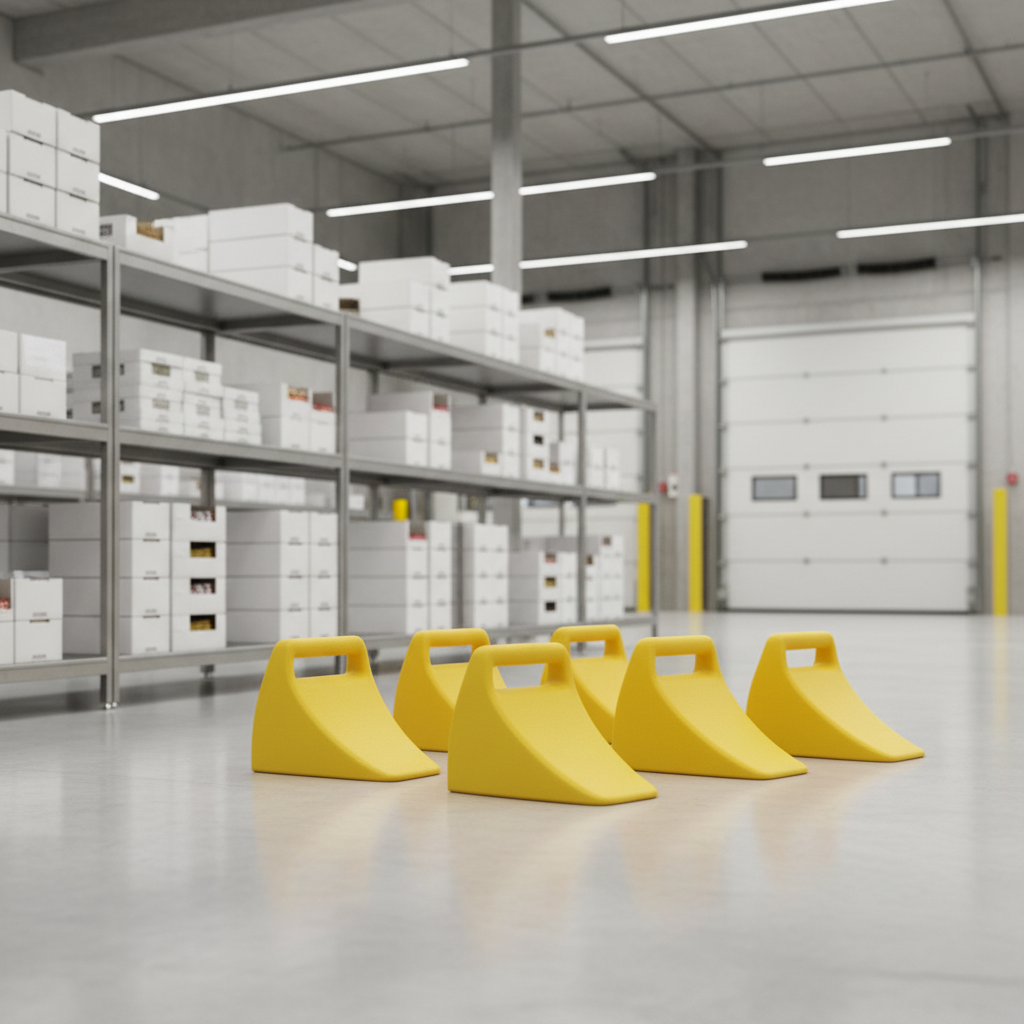
Urethane Wheel Chocks
Engineered polyurethane chocks deliver maximum holding force at reduced weight. Non-marking and chemical-resistant, making them ideal for clean environments and food-grade facilities. Bright safety colors improve visibility during pre-trip inspections.
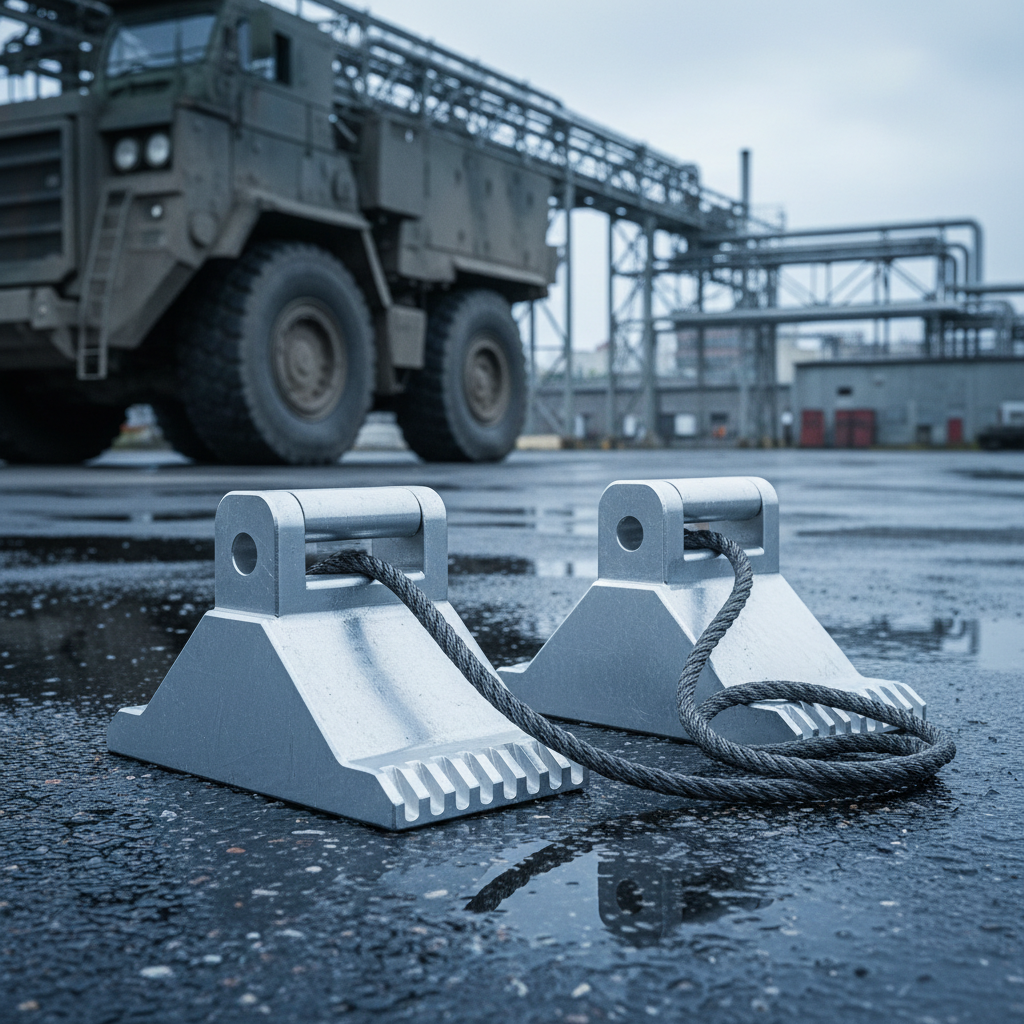
Aluminum Wheel Chocks
Aircraft-grade aluminum chocks built for extreme duty cycles. Corrosion-resistant and spark-free, these are the go-to choice for mining, oil and gas, and military applications. Serrated contact surfaces prevent slipping on wet or icy pavement.
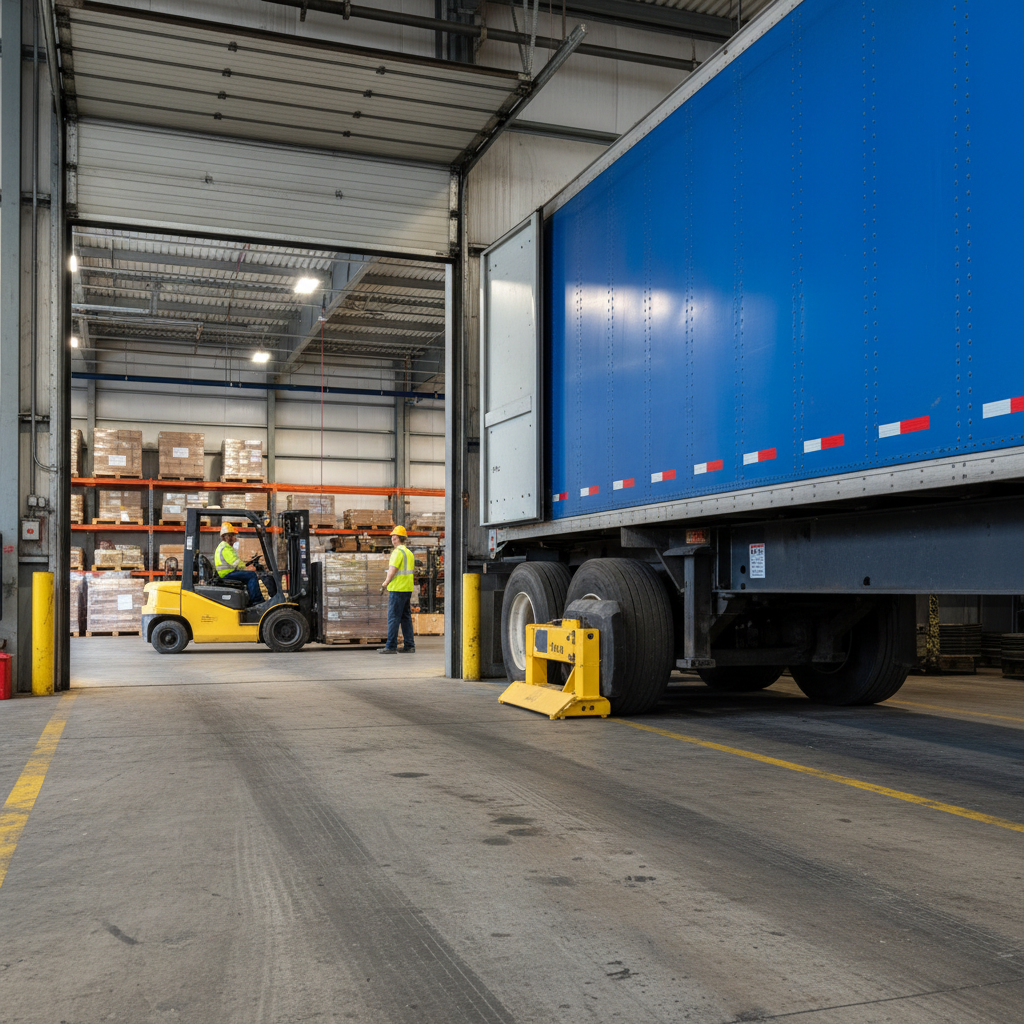
Dock Wheel Chocks
Purpose-built for loading dock operations with integrated mounting hardware. These permanent or semi-permanent chocks prevent trailer creep during forklift loading and unloading. Many models include visual indicators confirming the chock is properly engaged.

Safety Standards & Compliance
Wheel chocking is not optional. Federal regulations mandate chock use for commercial vehicles at docks, parking areas, and during loading operations.
OSHA 1910.178(k)(1)
Requires wheel chocks to be placed when trucks are boarded with powered industrial trucks (forklifts). Applies to all loading dock operations where forklifts enter or exit trailers.
OSHA 1910.178(m)(7)
Mandates that brakes be set and wheel chocks placed under rear wheels to prevent movement during loading and unloading at docks and railcars.
FMCSA 393.22
Federal Motor Carrier Safety Administration requires each commercial motor vehicle to carry at least one chock. Vehicles with a GVWR over 10,000 lbs must carry chocks adequate for the vehicle size.
DOT Compliance
Department of Transportation regulations require trailers to be properly secured at rest. Wheel chocks are the primary method of preventing rollaway incidents during coupling, uncoupling, and parking.
The Cost of Non-Compliance
OSHA citations for wheel chock violations average $15,625 per occurrence. Beyond fines, rollaway incidents cause an estimated 90+ fatalities and thousands of injuries annually in the U.S. Proper chocking is the simplest, most cost-effective safety measure in fleet operations. A quality set of chocks costs under $100 and can last 3-7 years.
Industries That Rely on Trailer Chocks
From coast-to-coast freight to remote mining operations, trailer chocks are essential equipment across every sector that moves heavy loads.
Trucking & Freight
Class 7-8 trucks, 53-ft dry vans, flatbeds, and reefers. Chocks prevent rollaway during coupling/uncoupling at truck stops, rest areas, and customer locations.
Warehousing & Distribution
Loading dock chocks secure trailers during forklift operations. Integrated chock/restraint systems are standard at high-volume distribution centers with 50+ daily trailer turns.
Construction & Heavy Equipment
Oversized chocks rated for 80,000+ lbs GVWR. Used on lowboy trailers hauling excavators, dozers, and cranes. Must perform on gravel, dirt, and uneven terrain.
RV & Recreation
Lightweight chocks for travel trailers, fifth-wheels, and toy haulers. Scissor-style leveling chocks stabilize RVs at campsites while preventing roll on sloped terrain.
Aviation & Military
Aircraft-grade aluminum chocks with rope handles for quick deployment. Spark-free materials required near fuel and ordnance. Built to MIL-SPEC standards for military ground support.
Mining & Oil/Gas
Extra-heavy-duty chocks for haul trucks exceeding 200 tons. Chemical-resistant urethane models withstand fuel, hydraulic fluid, and harsh weather at remote job sites.
How to Choose the Right Trailer Chocks
Selecting the correct wheel chock involves more than picking the cheapest option. Follow these five steps to ensure your chocks meet safety, compliance, and operational requirements.
Determine Vehicle Weight
Start with your trailer's Gross Vehicle Weight Rating (GVWR). Chocks must be rated for the maximum loaded weight, not just empty weight. For commercial operations, factor in the heaviest legal load your trailer will carry.
Match Tire Size
Chocks must contact at least 25% of the tire's height to provide adequate holding force. Measure your tire diameter and select chocks proportioned accordingly. Undersized chocks can ride over tires, creating a dangerous false sense of security.
Consider Surface Conditions
Rubber chocks grip best on clean concrete and asphalt. For gravel, mud, or ice, choose chocks with serrated or cleated bases. Dock chocks need mounting hardware compatible with your dock surface (concrete anchor, steel plate, or magnetic).
Check Compliance Requirements
OSHA mandates chocking at loading docks. FMCSA requires CMVs to carry adequate chocks. Your industry may have additional requirements. Review federal, state, and company-specific standards before purchasing.
Factor in Environment
Outdoor fleets need UV-resistant, weatherproof chocks. Cold-weather operations require materials that stay flexible below freezing. Chemical environments demand urethane or aluminum over standard rubber.
Frequently Asked Questions
Common questions about trailer chocks, compliance, and best practices.
How many wheel chocks do I need per trailer?
Do I need wheel chocks if my trailer has air brakes?
What size wheel chock do I need for a semi-trailer?
Are rubber or urethane chocks better?
How often should wheel chocks be replaced?
What is the OSHA requirement for wheel chocks at loading docks?
Can I use one chock on each side or do both go on the same side?
Do wheel chocks work on gravel or uneven surfaces?
Get a Quote on Trailer Chocks
Tell us about your fleet and we will connect you with the right supplier for your chocking needs.